Massage

Shop online and save.

Collection: Massage

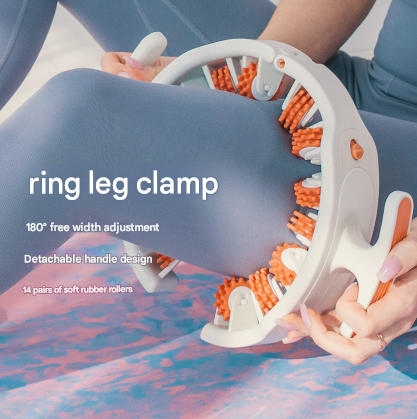
Speed up recovery and relieve muscle tension with our massage and self-myofascial release tools. From massage guns and foam rollers to trigger point balls and muscle roller sticks, this collection covers everything you need to work out knots, improve blood flow, and reduce soreness between training sessions.

Regular soft tissue work is a key part of any training program — it keeps muscles supple, improves range of motion, and helps prevent the tightness that leads to injury. All products ship Australia-wide.

Massage

Frequently Asked Questions About Massage

What is the best massage tool for muscle recovery?

It depends on the area and intensity you need. Massage guns deliver deep, percussive pressure to large muscle groups (quads, glutes, back) and are the most versatile option. Foam rollers cover broad areas with moderate pressure. Trigger point balls target specific knots in smaller muscles (shoulders, feet, hips). For a complete recovery toolkit, a massage gun plus a foam roller covers most needs.

How often should I use a massage gun?

You can use a massage gun daily, but keep sessions to 1-2 minutes per muscle group. Pre-workout, use it on low speed for 30-60 seconds to increase blood flow. Post-workout, use medium speed for 1-2 minutes on sore areas to promote recovery. Avoid using a massage gun directly on bones, joints, or acute injuries. More isn't always better — excessive percussion can bruise tissue.

What's the difference between a massage gun and a foam roller?

A massage gun delivers targeted, deep percussive pressure to specific spots — ideal for trigger points and deep knots. A foam roller uses your body weight to apply broad, rolling pressure across larger muscle groups. Foam rollers are cheaper, require no batteries, and work well for general maintenance. Massage guns are more precise and effective for deep tissue work but cost more.

Can massage tools help with muscle soreness after exercise?

Yes. Research supports that both percussion therapy (massage guns) and self-myofascial release (foam rolling) reduce perceived muscle soreness (DOMS) after exercise. They work by increasing blood flow to the area, reducing muscle tension, and promoting lymphatic drainage. They won't eliminate soreness entirely, but they noticeably reduce how sore you feel and how long it lasts.

Is it safe to use a massage gun on my neck and back?

Use a massage gun on the large muscles of the upper and lower back (traps, lats, erectors), but avoid the spine itself, the front and sides of the neck, and the base of the skull. For the neck, stick to the upper trapezius muscle on the back/side — never the front where arteries and nerves run. Use the lowest speed setting for neck and upper back work, and stop if you feel any sharp pain, dizziness, or tingling.

Want To Know More About Our Massage?

Read More About Massage

Recovery Tools That Actually Make a Difference

Recovery is where your training adaptations actually happen — your muscles grow and repair between sessions, not during them. The right massage and recovery tools accelerate this process by improving blood flow, reducing muscle tension, and helping your nervous system shift from fight-or-flight mode into recovery mode. The result is less soreness, better range of motion, and readiness to train hard again sooner.

Choosing the Right Tool for the Job

Massage guns deliver rapid percussive impacts that penetrate deep into muscle tissue. They are the most versatile recovery tool — effective on every major muscle group, adjustable in speed and intensity, and usable without getting on the floor. Best for targeted trigger point work and pre/post-workout preparation.

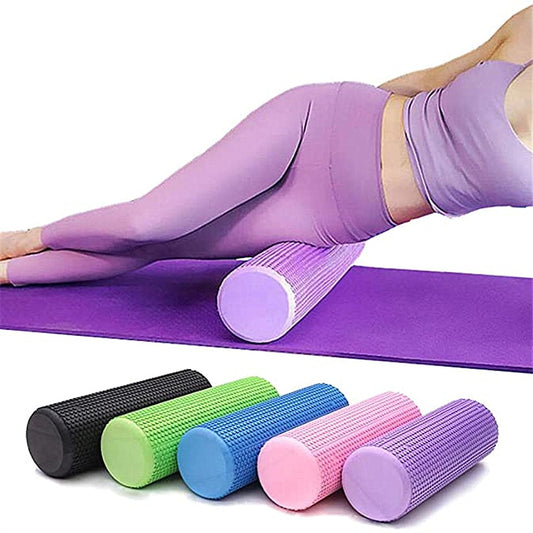
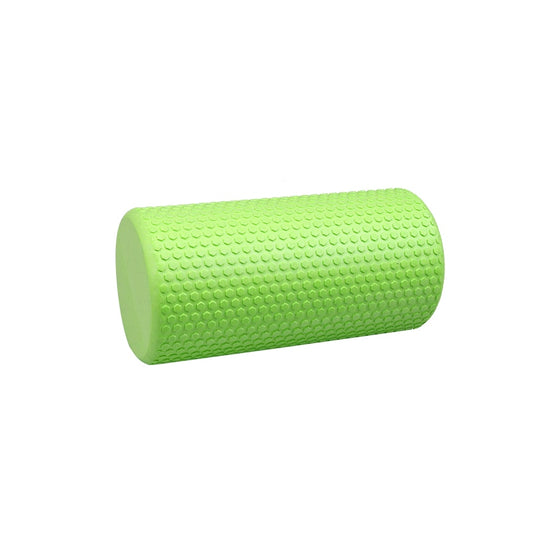
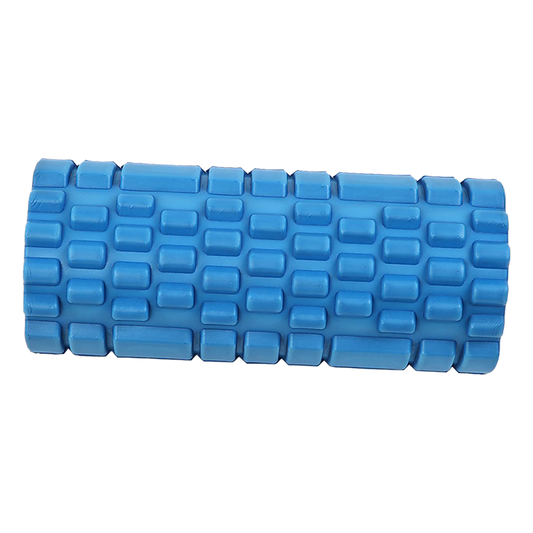
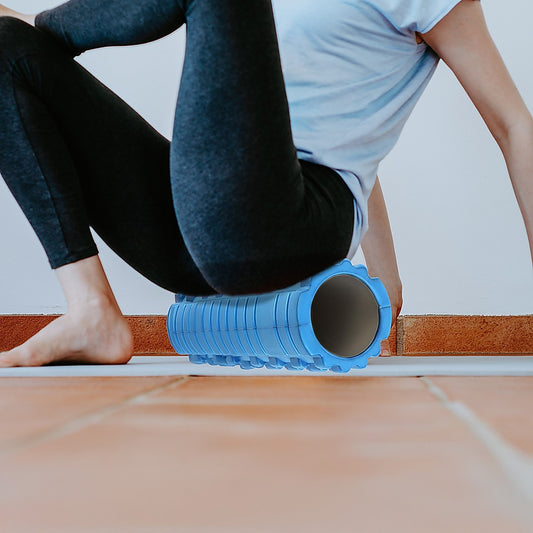
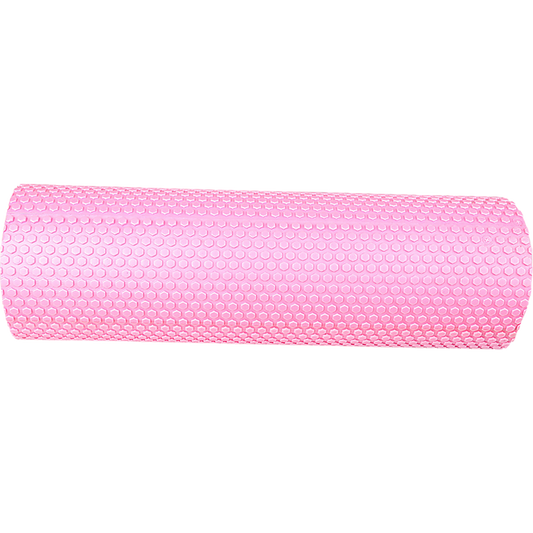
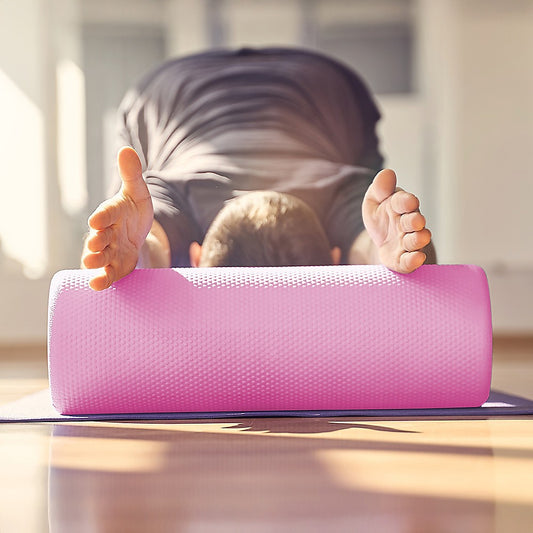
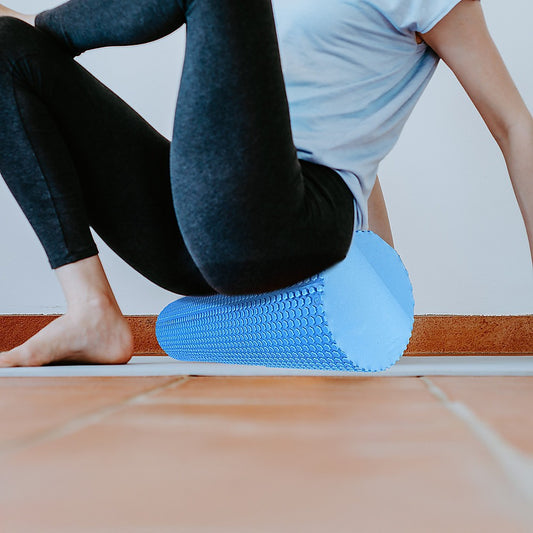
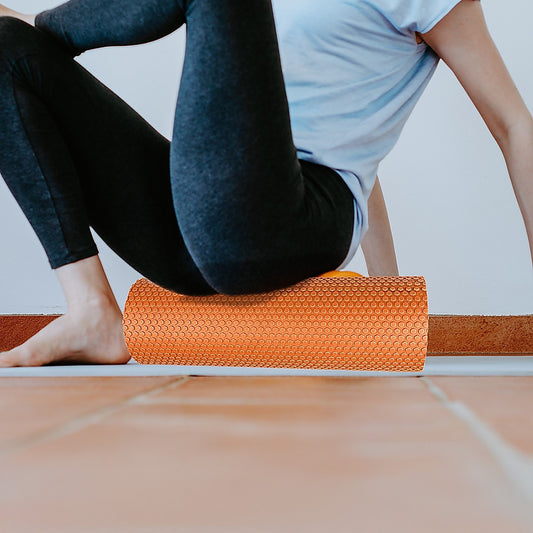
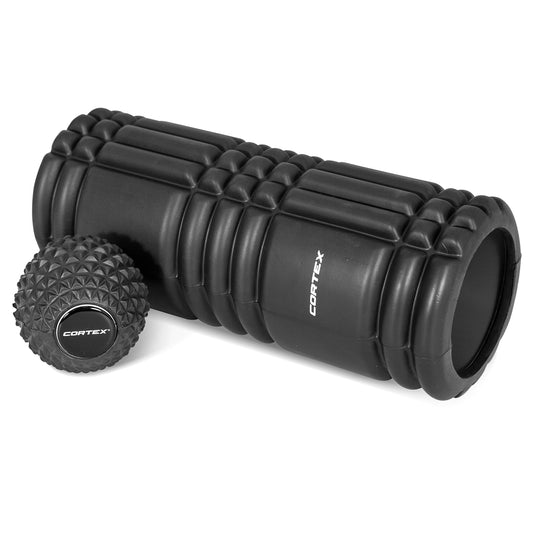
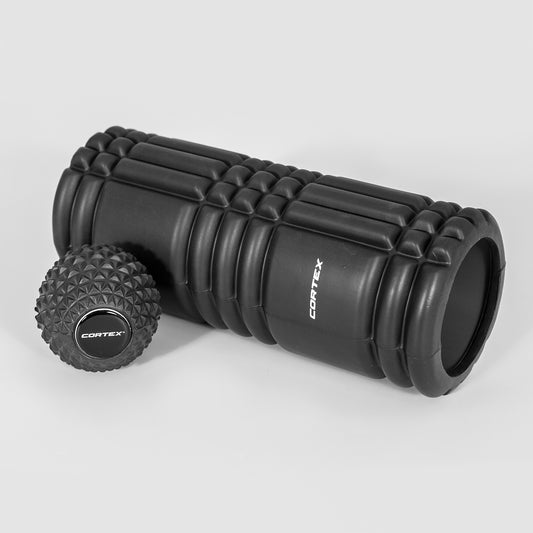
Foam rollers use your body weight to apply broad, rolling pressure across large muscle groups. They are excellent for general maintenance of the quads, IT band, calves, thoracic spine, and lats. Lower cost than massage guns and require no batteries or charging.

Trigger point balls (lacrosse balls, spiky balls) target specific knots in smaller, harder-to-reach areas — rotator cuff, glute medius, plantar fascia, and the muscles between your shoulder blades. They provide more focused pressure than foam rollers.

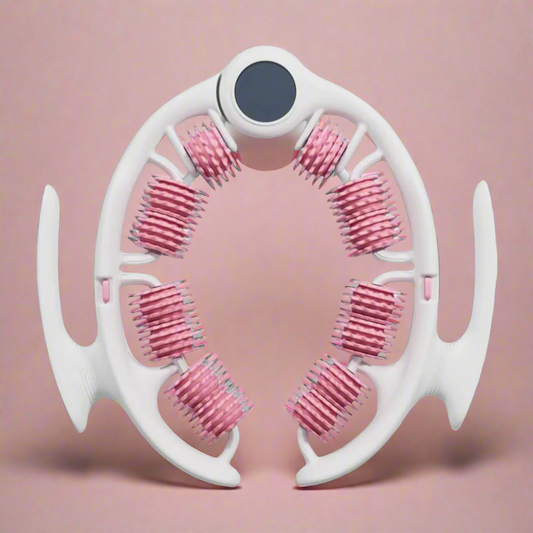
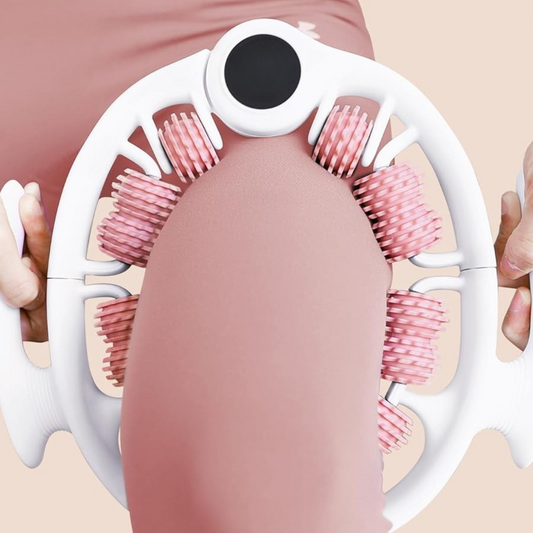
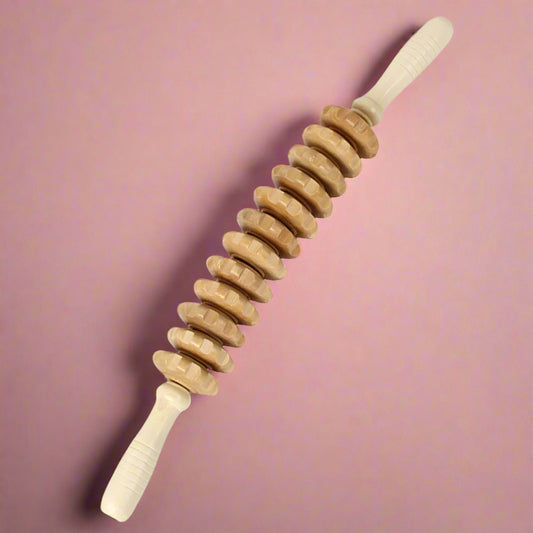
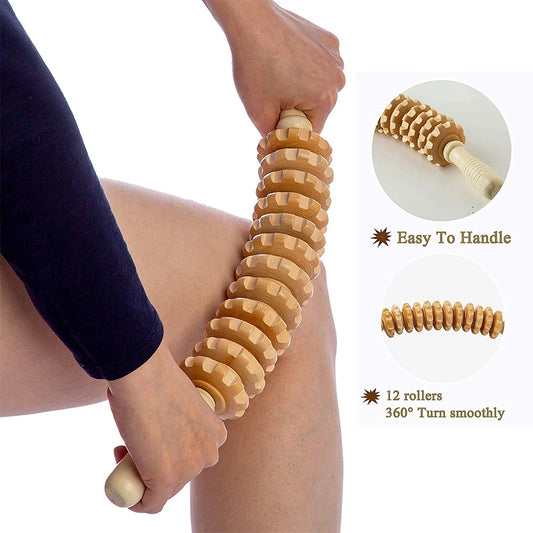
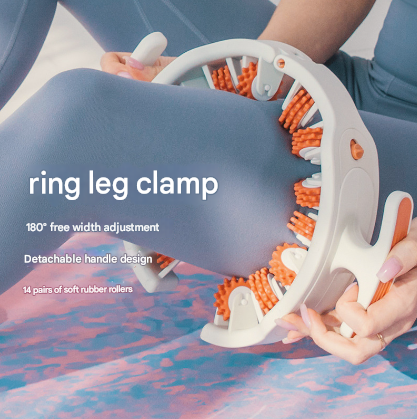
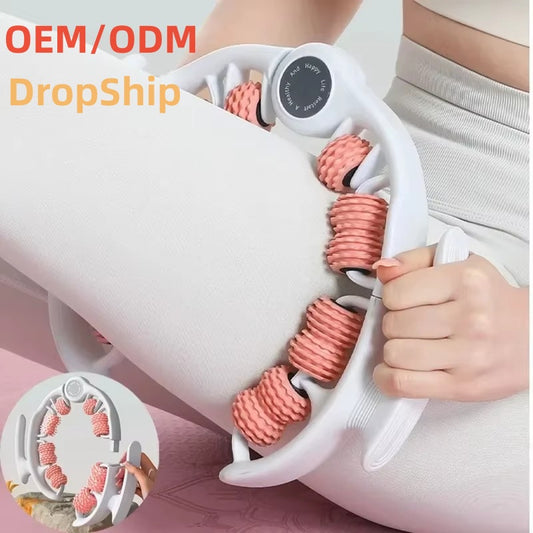
Muscle roller sticks are handheld rollers you can use on calves, quads, and forearms without getting on the ground. Useful for quick between-set recovery or desk-based muscle maintenance.

Building a Recovery Routine

You do not need to spend 30 minutes on recovery after every session. A focused 5-10 minute routine covering your tightest areas is more effective than a long, unfocused session. Try this approach:

  1. Pre-workout: 60 seconds of foam rolling on the muscle groups you are about to train. Light pressure, quick passes to increase blood flow.
  2. Post-workout: 2-3 minutes on any areas that feel particularly tight or restricted. Moderate pressure, slow passes.
  3. Rest days: 10-15 minutes of thorough rolling and trigger point work on your chronic problem areas. This is where you make the biggest long-term improvements.

Consistency matters more than duration. Five minutes of daily rolling beats a 30-minute session once a week. Our massage and recovery tools ship Australia-wide — build your recovery kit and treat it as seriously as your training.